

Noor Eye Care

Oculoplasty

Oculoplastic Surgery

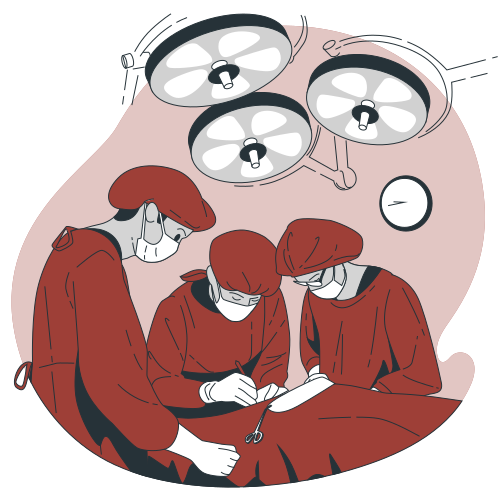
We offer advanced oculoplastic procedures that address both medical and cosmetic issues around the eyes. These surgeries treat conditions affecting the eyelids, tear ducts, and eye sockets—improving function, appearance, and comfort.
Image

Easy Appointment Booking

We conduct thorough, step-by-step eye examinations to ensure every aspect of your vision and eye health is carefully assessed.

Care by Experienced Specialists

Our team of seasoned ophthalmologists and optometrists bring years of clinical expertise, ensuring you receive trusted and precise care.

Comfortable & Patient-Friendly Process

From check-in to consultation, we prioritize your comfort with a calm, welcoming environment and supportive staff every step of the way.

Quick approval process

We strive to provide a quick approval process, so that customers can get the funding they need as soon as possible.

Preparing for your visit – what to bring

  • Previous Eye Exam Records: If you’ve had an eye checkup or treatment in the past, please bring any related reports, prescriptions, or test results.
  • Current Eyeglasses or Contact Lenses: Bring your current pair of glasses or contact lenses so we can assess your existing prescription.
  • List of Medications: Include any medications you’re currently taking, especially those related to eye health or chronic conditions (e.g., diabetes, high blood pressure).
  • Medical History Details: If you have any existing health conditions or allergies, let us know during your visit. A printed list or summary is helpful.
  • Referral Letter (if required): If you've been referred by another doctor, please bring the referral note.

We recommend arriving 10–15 minutes early for your appointment to complete any necessary paperwork.

Book an Appointment with Our Eye Care Experts

{{ errors.name }}

{{ errors.phone }}

{{ errors.issue }}

{{ errors.appointment_date }}

{{ errors.appointment_time }}

What is Oculoplasty?
Oculoplasty refers to a range of surgical procedures involving the eyelids, tear ducts, and orbit (eye socket), performed for both medical and cosmetic reasons.
  • DCR Surgery: Restores tear drainage by bypassing blocked nasolacrimal ducts.
  • Orbital Surgery: Treats tumors, trauma, thyroid-related conditions, and congenital deformities.
  • Age-Related Changes: Corrects drooping eyelids, under-eye bags, and eyelash misalignment.
  • Blocked Tear Ducts: Manages chronic eye watering or infections through DCR/DCT procedures.
  • Thyroid Eye Disease: Addresses bulging eyes or orbital complications linked to thyroid issues.
  • Tumors: Removes benign or malignant growths affecting eyelids or the orbit.
Causes
Several conditions and disorders can lead to the need for oculoplastic procedures:
  • Congenital Defects: Birth deformities affecting eyelids or eye socket structure.
  • Infections & Inflammation: Chronic infections of the eyelids or tear ducts.
  • Age-Related Changes: Natural sagging of eyelid skin and muscle weakness over time.
  • Trauma: Accidents causing orbital fractures or eyelid injuries.
  • Tumors: Benign or malignant growths in the orbital or eyelid region.
  • Thyroid Disorders: Conditions like Graves’ disease affecting orbital tissues.
Symptoms
Symptoms that may indicate the need for oculoplasty include:
  • Droopy Eyelids (Ptosis): Obstructed vision due to sagging upper eyelids.
  • Eye Watering: Excessive tearing caused by blocked tear ducts.
  • Eyelid Twitching or Spasms: Involuntary muscle movements near the eye.
  • Under-Eye Bags: Puffiness or swelling under the eyes affecting appearance.
  • Double Vision or Bulging Eyes: Symptoms associated with orbital disorders or thyroid disease.
  • Pain or Pressure Around Eyes: Could be due to tumors, trauma, or infection.
When Is Oculoplastic Surgery Needed?
Oculoplasty is performed for various medical and cosmetic reasons:
  • DCR Surgery :DCR Surgery
  • Orbital Surgery : Treats tumors, trauma, thyroid-related issues, and congenital anomalies using a multidisciplinary team.
  • Age-Related Changes :Fixes droopy eyelids, eyelash rubbing, eye bags, and orbital fat herniation.
  • Blocked Tear Ducts : Conditions like chronic eye watering or infections are treated with procedures like DCR/DCT.
  • Thyroid Eye Disease : When medication isn’t enough, surgery addresses orbital complications caused by thyroid disorders.
  • Tumors : Manages eyelid and orbital tumors, which can be vision- or life-threatening.
Ocuplasty Services We Offer
Oculoplasty is performed for various medical and cosmetic reasons:
  • Congenital Issues :Corrects birth defects like eyelid gaps, abnormal eyelid positions, or blocked tear ducts.
  • Injuries :Treats trauma-related eyelid damage, scars, orbital fractures, or loss of an eye.
  • Age-Related Changes :Fixes droopy eyelids, eyelash rubbing, eye bags, and orbital fat herniation.
  • Blocked Tear Ducts : Conditions like chronic eye watering or infections are treated with procedures like DCR/DCT.
  • Thyroid Eye Disease : When medication isn’t enough, surgery addresses orbital complications caused by thyroid disorders.
  • Tumors : Manages eyelid and orbital tumors, which can be vision- or life-threatening.

Frequently Asked Questions about Oculoplasty

It’s a type of eye plastic surgery that treats eyelid, tear duct, and orbital issues for improved function and appearance.

es, if it's reconstructive. Purely cosmetic surgeries are generally not covered.

Swelling/bruising lasts 3–4 weeks. Stitches dissolve or are removed in 7–15 days. Avoid contact lenses, makeup, and heavy activity for 2 weeks.

Use cold compresses, rest, avoid eye strain, follow your doctor’s instructions, and protect eyes from sunlight.

You should take your child to an ophthalmologist if they show signs of vision problems such as squint, delayed visual response, excessive tearing, or abnormal eye movements.

A child should have their first comprehensive eye exam at 6 months of age, then again at age 3, and once more before starting school. After that, annual check-ups are recommended.

Strabismus (also known as squint) is a condition where the eyes are misaligned and do not point in the same direction. It can affect depth perception and may lead to amblyopia (lazy eye) if untreated.

The main types of strabismus include:

  • Esotropia: One or both eyes turn inward
  • Exotropia: One or both eyes turn outward
  • Hypertropia: One eye turns upward
  • Hypotropia: One eye turns downward

Your Eyes Deserve Expert Care, Schedule You Visit Today!

Facing blurry vision, eye strain, or discomfort? Be among the first to get expert attention from our specialists.